Starlink cost includes both hardware and an ongoing monthly subscription. Monthly pricing varies by country, service plan, and network availability. Residential, Roam, Business, Maritime, and Aviation plans are priced differently. Optional accessories can increase the total investment. Taxes, shipping, and import charges may apply depending on your location. Starlink provides the greatest value in areas without reliable wired broadband.
Choosing an internet provider isn’t only about download speeds. The total cost of ownership, including equipment, monthly service, installation, optional accessories, and long-term value, often determines whether a service fits your budget. Starlink has become one of the most recognized satellite internet providers because it brings broadband to places where fiber, cable, and DSL are unavailable or unreliable. However, unlike many traditional internet services that require little or no upfront investment, Starlink typically involves purchasing equipment before activating a monthly subscription.
Understanding these costs helps prevent surprises after signing up. Whether you’re considering Starlink for your home, RV, business, or remote property, knowing what you’ll pay, and why, allows you to compare it fairly with other internet options.
This guide breaks down every major Starlink expense, explains why pricing varies between plans and countries, highlights potential hidden costs, and examines whether the service delivers good value in 2026. Because Starlink pricing changes periodically and differs by country, always verify current prices for your location before ordering.
Breaking Down the Total Cost of Starlink
When evaluating Starlink, think of the cost in four categories rather than one monthly bill.
Initial Hardware Purchase
Before using the service, customers generally need Starlink equipment.
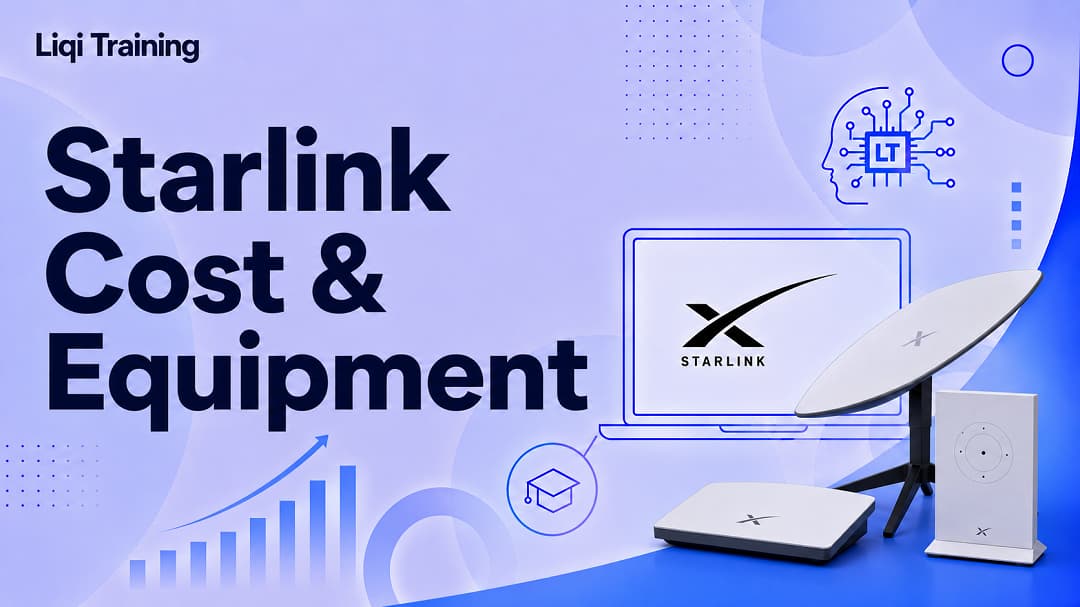
A standard kit typically includes:
- Starlink dish
- Wi-Fi router
- Power supply
- Connection cables
- Basic mounting stand
Unlike many cable internet providers, this hardware is usually purchased rather than rented, although some markets periodically introduce promotional offers or rental options. Availability depends on your country and current Starlink promotions.
Monthly Service Plan
After activating the equipment, customers pay a recurring subscription.
The monthly fee depends on factors including:
- Service type
- Country
- Network demand
- Speed tier
- Data allowance (where applicable)
These recurring charges represent the largest long-term ownership cost.
Optional Equipment
Some installations require additional accessories.
Examples include:
- Roof mounts
- Pole mounts
- Wall mounts
- Ethernet adapters
- Mesh Wi-Fi nodes
- Extended cables
While optional, these accessories improve installation flexibility and indoor wireless coverage.
Installation Costs
Most homeowners install Starlink themselves.
However, some situations require professional installation, particularly when:
- Roof access is difficult
- Long cable runs are necessary
- Specialized mounting hardware is needed
- Commercial buildings require custom networking
Understanding Starlink’s Service Plans
Rather than offering a one-size-fits-all subscription, Starlink provides multiple plans designed for different users.
Residential Plans
Residential service is intended for permanent homes.
It offers:
- Unlimited or high-capacity data depending on the market
- Consistent home broadband
- Automatic satellite switching
- Plug-and-play installation
Residential service remains the most popular option for households.
For a detailed comparison, see Starlink Internet Plans Compared: Residential, Roam, Business, Maritime, and Aviation Options.
Roam Plans
Roam plans are designed for mobility.
These plans suit:
- RV owners
- Digital nomads
- Campers
- Temporary worksites
Some roaming plans include high-speed data allowances before reduced-speed access.
Business Plans
Commercial customers often require:
- Higher throughput
- Larger installations
- Better network prioritization
- Enhanced reliability
Business subscriptions generally cost more than residential service because they support greater operational demands.
Maritime and Aviation
Starlink also serves:
- Ships
- Commercial vessels
- Private yachts
- Aircraft
These specialized plans include hardware and service designed for continuous operation while moving.
Why Prices Differ Between Countries
Many new customers expect identical pricing worldwide, but Starlink adjusts prices based on several factors.
Regulatory Costs
Different countries have unique licensing and telecommunications requirements.
Taxes
Local VAT, GST, or sales taxes influence the final purchase price.
Import Duties
Equipment imported into certain countries may incur customs charges.
Currency Exchange
Pricing often reflects local currency rather than a fixed U.S. dollar equivalent.
Market Demand
Regions experiencing high demand may have different pricing structures than areas with lower subscriber density. Starlink also periodically updates regional pricing and plan structures.
Costs That Buyers Sometimes Overlook
Monthly service isn’t always the final amount you’ll spend.
Shipping Fees
Hardware delivery charges vary by destination.
Mounting Accessories
Many homes benefit from upgraded mounting systems.
Network Upgrades
Larger homes may require:
- Additional Wi-Fi nodes
- Ethernet networking
- Better cable routing
Backup Power
Users in areas with frequent power outages often purchase:
- UPS systems
- Portable batteries
- Generators
These are optional but improve service continuity.
Read also: What Is Starlink? How SpaceX’s Satellite Internet Works and Who Should Use It
Comparing Starlink With Traditional Internet Costs
The cheapest internet option isn’t always the best long-term investment.
Fiber Internet
Advantages:
- Often lower monthly cost
- Extremely consistent speeds
- Very low latency
Disadvantages:
- Limited rural availability
Cable Internet
Advantages:
- Widely available
- Competitive pricing
Disadvantages:
- Congestion during peak periods
DSL
Advantages:
- Low monthly pricing
Disadvantages:
- Slower speeds
- Aging infrastructure
Fixed Wireless
Advantages:
- Faster deployment
- Lower equipment costs
Disadvantages:
- Coverage limitations
Starlink
Advantages:
- Works almost anywhere with a clear sky
- High-speed broadband
- Lower latency than legacy satellite services
Disadvantages:
- Higher upfront investment
- Weather can affect performance
- Equipment purchase required
Is Starlink Worth the Price?
The answer depends largely on where you live.
Excellent Value For
Rural Homes
If fiber or cable isn’t available, Starlink may dramatically improve internet quality.
Remote Workers
Reliable broadband supports video meetings, cloud collaboration, and business applications.
Travelers
Roaming plans provide internet in locations beyond cellular coverage.
Farms
Agricultural operations benefit from dependable connectivity across large properties.
Vacation Properties
Seasonal homes often lack traditional broadband infrastructure.
When Starlink May Not Be the Best Financial Choice
Starlink may offer less value if:
- Fiber internet is already available.
- Cable delivers reliable high-speed service.
- Your household has minimal internet needs.
- Significant tree cover prevents an unobstructed installation.
In these situations, a wired provider may deliver similar performance at a lower total cost.
Tips for Reducing Your Overall Starlink Costs
Choose the Right Plan
Avoid paying for a higher-tier service if your usage doesn’t require it.
Install It Yourself
Most residential users can avoid professional installation expenses.
Reuse Existing Networking Equipment
Compatible third-party routers or mesh systems may reduce future upgrade costs.
Plan the Installation Carefully
Selecting the best mounting location initially can prevent purchasing unnecessary accessories later.
Frequently Asked Questions
Does Starlink require a long-term contract?
In many markets, Starlink operates on a month-to-month basis rather than requiring lengthy contracts, though terms vary by country.
Can Starlink prices change?
Yes. SpaceX has adjusted pricing in several markets over time by introducing new plans, promotions, and periodic price increases.
Are there data limits?
Some plans include priority or high-speed data allowances, while others provide unlimited standard residential usage depending on the market. Always review the details of the specific plan available in your country.
Is professional installation required?
No. Most residential customers successfully complete installation without professional assistance.
Are accessories included?
The standard kit includes essential equipment, but specialized mounts, mesh Wi-Fi systems, and other accessories are generally sold separately.
Conclusion
Starlink’s pricing is best viewed as an investment rather than simply a monthly internet bill. While the upfront equipment purchase and recurring subscription may exceed the cost of many traditional broadband services, the value becomes much clearer in places where wired internet is unavailable, unreliable, or too slow for modern online activities.
For rural households, remote businesses, travelers, and off-grid properties, Starlink can replace years of limited connectivity with dependable broadband capable of supporting work, education, entertainment, and communication. Conversely, households with access to affordable fiber or high-quality cable internet may find that those services provide better value over the long term.
Before subscribing, compare the total cost of ownership, including hardware, accessories, installation, taxes, and monthly service, with the alternatives available in your area. Doing so will help you determine whether Starlink’s unique capabilities justify the investment for your specific needs.
ADVERTISEMENT