Microsoft has evolved far beyond the company that introduced Windows and Office decades ago. Today, it is one of the world’s largest technology companies, providing software, cloud computing, artificial intelligence (AI), cybersecurity, gaming, developer tools, business applications, and enterprise services that millions of individuals and organizations rely on every day.
Whether you’re using Windows on a personal computer, collaborating with coworkers through Microsoft Teams, storing files in OneDrive, writing documents in Microsoft Word, or exploring AI with Microsoft Copilot, chances are you’re already using Microsoft’s ecosystem in some way.
This guide explains Microsoft’s products, services, AI initiatives, business model, and future direction in 2026. It also helps you understand how Microsoft’s ecosystem works together and where each product fits into your personal or professional workflow.
Key Takeaways
- Microsoft offers software, cloud services, AI tools, productivity apps, gaming platforms, and enterprise solutions.
- Microsoft 365 combines familiar Office apps with cloud storage, security, and collaboration features.
- Microsoft Copilot integrates artificial intelligence across Windows and Microsoft 365 applications.
- Microsoft Teams has become one of the world’s leading collaboration platforms for businesses and education.
- A Microsoft Account provides access to Windows, OneDrive, Xbox, Outlook, Microsoft Store, and many other Microsoft services.
- Azure continues to power cloud infrastructure for organizations worldwide.
- Microsoft’s AI strategy extends across productivity, cybersecurity, software development, and enterprise cloud computing.
What Is Microsoft?
Microsoft is an American multinational technology company that develops software, cloud platforms, hardware devices, artificial intelligence solutions, developer tools, and enterprise technologies.
Founded in 1975, Microsoft initially became known for its operating systems and productivity software. Over time, it expanded into cloud computing, business applications, cybersecurity, gaming, search technologies, and AI-powered services.
Today, Microsoft serves several distinct audiences:
- Home users
- Small businesses
- Large enterprises
- Educational institutions
- Government organizations
- Software developers
- Gamers
Rather than focusing on a single product, Microsoft now operates an interconnected ecosystem where services work together across devices and platforms.
How Microsoft’s Ecosystem Works
One of Microsoft’s greatest strengths is integration.
Instead of offering isolated applications, Microsoft connects its services through a single account and cloud infrastructure.
For example, a user can:
- Sign in with one Microsoft Account.
- Save files to OneDrive.
- Edit documents in Microsoft Word.
- Share them through Microsoft Teams.
- Schedule meetings in Outlook.
- Receive AI assistance from Microsoft Copilot.
- Access everything from Windows or a web browser.
Because these products share authentication, cloud storage, permissions, and security settings, switching between them is relatively seamless.
This integration reduces duplicate work and helps individuals and businesses manage information more efficiently.
Microsoft’s Main Product Categories
Microsoft’s offerings can be grouped into several major categories.
Operating Systems
Windows remains Microsoft’s flagship desktop operating system.
Available across consumer and enterprise editions, Windows powers millions of laptops, desktops, workstations, and hybrid devices.
Key capabilities include:
- Security updates
- Device management
- Productivity tools
- AI-powered features
- Gaming support
- Enterprise administration
Windows also acts as the gateway to many Microsoft cloud services.
Productivity Software
Microsoft continues to dominate productivity software with applications designed for both individuals and organizations.
Popular apps include:
- Microsoft Word
- Excel
- PowerPoint
- OneNote
- Outlook
- Access (Windows)
- Publisher (legacy support)
Rather than being sold individually, these applications are increasingly bundled through Microsoft 365 subscriptions.
If you’d like a deeper comparison of plans and pricing, see our guide on Microsoft 365.
Cloud Computing
Cloud computing has become one of Microsoft’s largest businesses.
Instead of purchasing physical servers, organizations can rent computing resources through Microsoft’s cloud platform.
Azure provides services such as:
- Virtual machines
- Databases
- AI services
- Networking
- Identity management
- Analytics
- Machine learning
- Security monitoring
- Backup and disaster recovery
This allows organizations to scale applications without investing heavily in on-premises infrastructure.
Business Applications
Microsoft also develops software for business management.
Its portfolio includes solutions for:
- Customer relationship management (CRM)
- Enterprise resource planning (ERP)
- Human resources
- Sales
- Finance
- Customer service
- Supply chain management
These applications integrate with Microsoft 365 and Azure to create unified business workflows.
Understanding Microsoft 365
Microsoft 365 is Microsoft’s subscription-based productivity platform.
Instead of purchasing software once and keeping the same version for years, subscribers receive continuous updates, security improvements, cloud storage, and new features.
A Microsoft 365 subscription commonly includes:
- Word
- Excel
- PowerPoint
- Outlook
- OneNote
- OneDrive
- Microsoft Teams
- Microsoft Defender (selected plans)
Depending on the subscription tier, users may also receive additional security tools, business management features, device management capabilities, and AI-powered enhancements.
Businesses often choose Microsoft 365 because it combines communication, collaboration, security, and productivity within a single subscription.
For more information, read our complete Microsoft 365 guide.
Why Microsoft Accounts Matter
A Microsoft Account functions as the central identity across Microsoft’s ecosystem.
Using one account allows users to:
- Sync Windows settings
- Store files in OneDrive
- Purchase apps
- Download games
- Access Outlook
- Manage subscriptions
- Use Xbox services
- Access Microsoft Copilot
- Sign into Microsoft 365
Because so many Microsoft services depend on this identity, maintaining strong security practices, such as enabling multifactor authentication and using a unique password, is essential.
If you’re having trouble signing in, our Microsoft Account guide explains common recovery options and account management best practices.
Microsoft Word Remains a Productivity Standard
Despite growing competition from browser-based editors, Microsoft Word continues to be one of the world’s most widely used word processing applications.
Word supports:
- Reports
- Academic papers
- Business proposals
- Resumes
- Contracts
- Collaborative editing
- Templates
- AI-assisted writing features
Modern versions also integrate cloud storage, real-time collaboration, accessibility tools, and Microsoft Copilot for drafting and editing assistance.
Whether you’re a student or a business professional, Microsoft Word remains a versatile document creation platform.
For advanced features and productivity tips, see our dedicated Microsoft Word guide.
Microsoft Teams: Bringing Communication and Collaboration Together
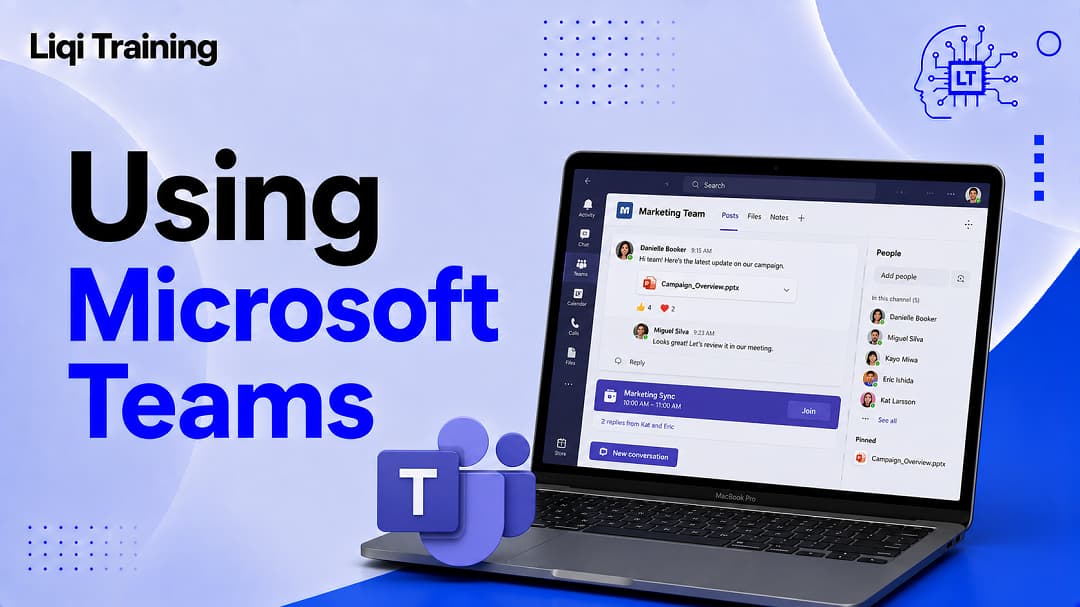
Modern workplaces rely on fast communication and seamless collaboration, and Microsoft Teams has become one of Microsoft’s most important products for achieving both. Initially introduced as a workplace messaging platform, Teams has expanded into a comprehensive collaboration hub that supports organizations of every size.
Instead of switching between multiple applications, users can communicate, meet, share files, and collaborate on documents from one interface.
Core Features of Microsoft Teams
Microsoft Teams includes several tools designed to improve productivity:
- Instant messaging for individuals and groups
- Video and audio meetings
- Screen sharing during presentations
- File sharing with cloud synchronization
- Team channels for organized discussions
- Calendar integration through Outlook
- Live collaboration on Microsoft 365 documents
- Integration with third-party business applications
Because Teams connects directly with Microsoft 365, users can edit Word documents, Excel spreadsheets, and PowerPoint presentations without leaving a conversation.
For organizations adopting remote or hybrid work, Teams also simplifies project management by centralizing conversations and shared resources.
If you’re setting up the platform for the first time, our Microsoft Teams guide covers installation, meetings, permissions, and productivity tips.
Microsoft Outlook: More Than an Email Client
Although many people recognize Outlook as an email application, it has evolved into a complete personal information management platform.
Microsoft Outlook combines:
- Calendar
- Contacts
- Tasks
- Meeting scheduling
- Shared mailboxes
- Business communication tools
Its integration with Microsoft Teams allows users to schedule meetings directly from their calendars, while Microsoft 365 synchronizes information across multiple devices.
Why Businesses Prefer Outlook
Organizations often choose Outlook because it offers:
Enterprise Security
Advanced spam filtering, phishing protection, encryption, and identity management help organizations protect sensitive communications.
Calendar Management
Scheduling meetings across large organizations becomes easier through shared calendars and availability information.
Productivity Features
Outlook now includes AI-assisted email drafting, suggested replies, scheduling assistance, and intelligent search capabilities.
If you’d like a complete walkthrough, explore our Microsoft Outlook guide for setup instructions, productivity tips, and troubleshooting advice.
OneDrive: Microsoft’s Cloud Storage Platform
Cloud storage has become an essential part of modern computing, and Microsoft addresses this need through OneDrive.
OneDrive automatically synchronizes files between devices while providing secure online storage.
Benefits include:
- Automatic backup of important files
- Cross-device synchronization
- Secure document sharing
- Version history
- File recovery
- Collaboration within Microsoft 365
For many users, OneDrive operates quietly in the background, ensuring that important documents remain available whether they’re working from a desktop computer, laptop, tablet, or smartphone.
Businesses can also apply security policies and access controls to help protect company data.
Azure: Microsoft’s Cloud Computing Platform
While consumers may be most familiar with Windows or Microsoft 365, Azure represents one of Microsoft’s most significant business segments.
Azure is a cloud computing platform that enables organizations to build, deploy, host, and manage applications without maintaining extensive physical infrastructure.
What Azure Provides
Azure supports a wide variety of cloud services, including:
- Virtual servers
- Databases
- Artificial intelligence services
- Storage solutions
- Identity management
- Networking
- Internet of Things (IoT)
- Analytics
- Machine learning
- Backup and disaster recovery
Rather than purchasing and maintaining servers, businesses can scale computing resources based on demand.
This flexibility makes Azure suitable for startups, government agencies, educational institutions, and multinational enterprises alike.
Microsoft Copilot: Artificial Intelligence Across Microsoft’s Ecosystem
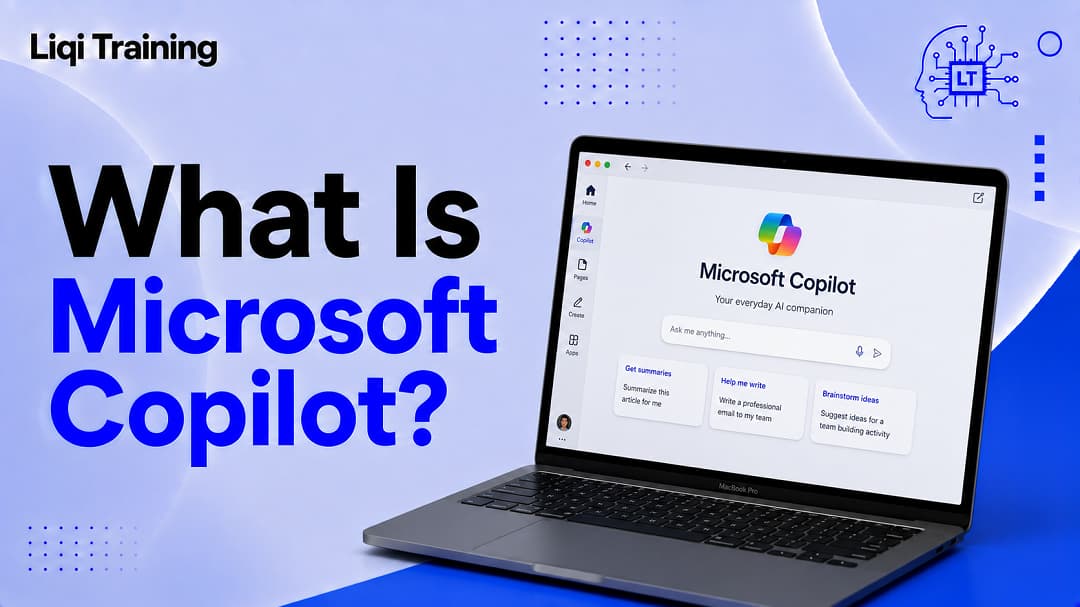
Artificial intelligence has become a central part of Microsoft’s long-term strategy, and Microsoft Copilot is at the forefront of that effort.
Instead of existing as a standalone chatbot, Copilot is integrated into multiple Microsoft products to help users complete tasks more efficiently.
Where Microsoft Copilot Is Available
Depending on your subscription and device, Copilot can be found in:
- Windows
- Microsoft Word
- Excel
- PowerPoint
- Outlook
- Teams
- Edge
- Microsoft 365
- GitHub Copilot (for developers)
Each implementation is designed to assist users within the context of the application they’re already using.
What Can Microsoft Copilot Do?
Common capabilities include:
- Drafting documents
- Summarizing lengthy reports
- Creating presentations
- Generating spreadsheets
- Writing emails
- Organizing meeting notes
- Answering questions based on authorized company information
- Assisting with coding tasks
- Automating repetitive workflows
For example, instead of manually summarizing a lengthy meeting, Copilot can generate concise notes, identify action items, and prepare follow-up emails.
Responsible AI
Microsoft emphasizes responsible AI development by implementing safeguards related to security, privacy, transparency, and responsible data usage.
Organizations adopting AI should still review generated content carefully, as AI-generated responses may occasionally contain inaccuracies or require human verification.
For a deeper look at AI capabilities, pricing, and supported features, read our complete Microsoft Copilot guide.
Windows and AI in 2026
Windows continues to evolve beyond a traditional desktop operating system.
Recent updates increasingly integrate AI features directly into the user experience.
Examples include:
- Intelligent search
- Writing assistance
- Image generation
- Accessibility improvements
- Voice controls
- Enhanced security monitoring
- Productivity recommendations
Rather than replacing existing workflows, these features aim to reduce repetitive tasks and improve efficiency.
Microsoft continues to expand AI functionality while allowing users to control privacy settings and permissions.
Microsoft Edge and Web Productivity
Microsoft Edge has grown into a feature-rich web browser designed for both personal and professional use.
Notable capabilities include:
- Built-in PDF reader
- Vertical tabs
- Collections
- Password management
- Shopping tools
- Performance optimization
- Tracking prevention
- AI-powered browsing assistance through Microsoft Copilot
Because Edge integrates with Microsoft Accounts, users can synchronize bookmarks, passwords, browsing history, and settings across devices.
For organizations using Microsoft 365, Edge also supports enterprise security policies and identity management.
Gaming: Xbox and Microsoft’s Entertainment Ecosystem
Gaming represents another major component of Microsoft’s business.
Through Xbox hardware, cloud gaming technologies, and digital services, Microsoft has built a comprehensive gaming ecosystem.
This includes:
- Xbox consoles
- Xbox Game Pass
- Cloud gaming
- Digital game purchases
- Multiplayer services
- Developer platforms
- Cross-device gaming experiences
Many games can now be accessed across consoles, PCs, and supported cloud-enabled devices, giving players greater flexibility than traditional hardware-only gaming models.
Gaming also complements Microsoft’s cloud strategy, as cloud infrastructure supports online multiplayer experiences and game streaming technologies.
How Microsoft’s Products Work Together
One of Microsoft’s greatest competitive advantages is the integration between its services.
Consider a typical workday:
- Sign in using a Microsoft Account.
- Receive emails in Outlook.
- Join a Teams meeting.
- Open a shared Word document stored in OneDrive.
- Edit the document collaboratively through Microsoft 365.
- Ask Microsoft Copilot to summarize meeting discussions.
- Save the updated document automatically to the cloud.
Instead of relying on separate vendors for each task, Microsoft connects these services into a unified ecosystem, reducing complexity and improving productivity.
Microsoft Security and Privacy
As Microsoft’s ecosystem has expanded, security has become a foundational part of nearly every product and service the company offers. Whether you’re an individual using Windows at home or an enterprise managing thousands of employees, Microsoft provides multiple layers of protection designed to reduce cyber risks.
Security Features Across Microsoft’s Ecosystem
Many Microsoft products include built-in security capabilities, such as:
- Multi-factor authentication (MFA)
- Microsoft Defender for malware protection
- BitLocker device encryption (supported editions)
- Microsoft Entra ID identity management for organizations
- Secure cloud storage through OneDrive
- Email protection in Outlook
- Threat detection across Microsoft 365
- Automatic software and security updates
For organizations, centralized administration tools allow IT teams to enforce security policies, monitor device compliance, and respond to threats more efficiently.
Privacy Controls
Microsoft provides users with privacy settings that allow them to manage diagnostic data, app permissions, advertising preferences, and account activity.
Before enabling cloud synchronization or AI-powered features, it’s worth reviewing your privacy settings to ensure they align with your personal or organizational preferences.
Microsoft for Businesses
Microsoft serves organizations ranging from startups to multinational corporations. Instead of purchasing separate software solutions for communication, storage, productivity, and security, businesses can build an integrated digital workplace using Microsoft’s ecosystem.
Common business solutions include:
Microsoft 365
Provides productivity apps, collaboration tools, cloud storage, and enterprise security.
Azure
Supports cloud infrastructure, application hosting, databases, AI services, and scalable computing resources.
Teams
Facilitates meetings, messaging, collaboration, webinars, and internal communication.
Power Platform
Allows organizations to build custom applications, automate workflows, analyze business data, and create dashboards with minimal coding.
Together, these platforms help businesses improve collaboration while reducing operational complexity.
Microsoft for Education
Educational institutions also rely heavily on Microsoft technologies.
Students and educators commonly use:
- Microsoft Word for assignments
- PowerPoint for presentations
- OneNote for note-taking
- Teams for virtual classrooms
- OneDrive for cloud storage
- Outlook for communication
Many schools and universities also benefit from education-specific Microsoft 365 plans that include collaboration and security features designed for learning environments.
Microsoft Stock: Why Investors Pay Attention
Beyond its products, Microsoft is also one of the world’s most closely watched technology companies by investors.
People searching for Microsoft Stock are often interested in understanding how the company generates revenue and what drives its long-term growth.
Microsoft’s business is diversified across several major segments, including:
- Productivity software
- Cloud computing
- Artificial intelligence
- Enterprise services
- Gaming
- Advertising
- Developer platforms
- Hardware devices
Because revenue comes from multiple business lines rather than a single product, Microsoft has historically demonstrated resilience compared with companies that rely on only one market segment.
If you’re interested in investing, our detailed Microsoft Stock guide explains Microsoft’s business model, revenue streams, dividends, and the factors that influence investor sentiment.
Understanding Microsoft Stock Price
Many people search for the Microsoft Stock Price to monitor daily market movements. While short-term price changes receive significant attention, they can be influenced by a wide range of factors, including:
- Quarterly earnings results
- Revenue growth
- Cloud computing performance
- AI-related announcements
- Broader economic conditions
- Interest rates
- Investor expectations
- Overall stock market performance
Looking at stock performance over longer periods often provides more meaningful context than focusing on day-to-day price fluctuations. Investors should also remember that past performance does not guarantee future results.
The Future of Microsoft
Microsoft continues to invest heavily in technologies that are expected to shape the next generation of computing.
Areas of ongoing innovation include:
Artificial Intelligence
AI is becoming increasingly integrated into Microsoft 365, Windows, Azure, cybersecurity tools, and developer platforms.
Cloud Computing
Azure continues to expand its global infrastructure to support businesses adopting digital transformation strategies.
Cybersecurity
Microsoft is strengthening identity management, endpoint protection, and threat detection to help organizations respond to increasingly sophisticated cyber threats.
Developer Tools
Through platforms such as GitHub and Azure, Microsoft continues to support software developers with cloud-native tools, AI-assisted coding, and application deployment services.
Hybrid Work
Microsoft is expected to continue improving collaboration tools that support flexible work environments across offices, homes, and mobile devices.
Frequently Asked Questions
Is Microsoft only a software company?
No. Microsoft develops software, cloud services, artificial intelligence tools, business applications, hardware devices, gaming platforms, and enterprise technologies.
What is Microsoft 365?
Microsoft 365 is a subscription service that combines productivity applications, cloud storage, collaboration tools, security features, and continuous software updates.
Do I need a Microsoft Account?
A Microsoft Account is required for many Microsoft services, including Windows synchronization, Outlook, OneDrive, Microsoft Store purchases, Xbox services, and Microsoft 365 subscriptions.
What is Microsoft Copilot?
Microsoft Copilot is Microsoft’s AI assistant that integrates with Windows and many Microsoft applications to help users generate content, summarize information, automate tasks, and improve productivity.
Is Microsoft Teams free?
Microsoft Teams offers both free and paid plans. The available features depend on the type of account and subscription being used.
Can Microsoft products work on Apple devices?
Yes. Many Microsoft services, including Microsoft 365, Outlook, Teams, OneDrive, and Edge, are available on macOS, iPhone, and iPad, although some features may differ from the Windows versions.
Conclusion
Microsoft has transformed from a company best known for Windows and Office into one of the world’s most comprehensive technology providers. Its ecosystem now spans productivity software, cloud computing, cybersecurity, artificial intelligence, gaming, developer tools, and enterprise solutions.
For individuals, Microsoft offers familiar applications that simplify everyday tasks. For businesses, it provides integrated platforms that support communication, collaboration, security, and digital transformation at scale. Meanwhile, Microsoft’s continued investment in AI through Microsoft Copilot and Azure positions the company to play a significant role in the future of technology.
Whether you’re choosing a productivity suite, exploring AI-powered tools, managing cloud infrastructure, or researching investment opportunities, understanding how Microsoft’s products and services fit together can help you make more informed decisions.
ADVERTISEMENT